Why Holistic Activities Like Art, Nature Walks, and Mindfulness Strengthen the Recovery Journey
Recovery from addiction or mental health challenges involves more than addressing the physical aspects of substance use. It often requires rebuilding emotional resilience, developing healthier coping strategies, and reconnecting with a sense of purpose and wellbeing. For this reason, many rehabilitation programs include holistic activities alongside traditional therapeutic treatments.
Activities such as art, nature walks, and mindfulness practices can play an important role in helping individuals reconnect with themselves and the world around them. These experiences offer constructive ways to process emotions, reduce stress, and develop positive routines that support long-term recovery.
Summary: Holistic activities such as creative expression, time in nature, and mindfulness practices are often integrated into rehabilitation programs because they support emotional healing and personal growth. These activities encourage self-reflection, stress reduction, and healthier coping mechanisms. When combined with evidence-based therapies, holistic practices can strengthen the recovery process by helping individuals develop resilience, improve mental wellbeing, and maintain healthier lifestyles.
The role of holistic care in addiction recovery
Holistic care focuses on supporting the whole person rather than addressing a single symptom or behaviour. In recovery settings, this approach recognises that emotional health, physical wellbeing, and personal identity are closely connected.
While clinical therapies address the psychological aspects of addiction, holistic activities provide additional tools for emotional expression and stress management.
Holistic programs often include:
creative therapies such as art or music
outdoor activities in natural environments
mindfulness and meditation practices
movement-based activities like yoga
These activities help create balance and provide healthy outlets for processing emotions.
Art as a tool for emotional expression
Creative expression can be a powerful way for individuals to explore and communicate emotions that may be difficult to put into words.
Art-based activities may involve:
painting or drawing
sculpture or craft work
journaling or creative writing
music or creative performance
Engaging in creative activities allows individuals to reflect on their experiences and express feelings in a safe and supportive environment.
For some people, creative expression becomes a meaningful part of their ongoing recovery journey.
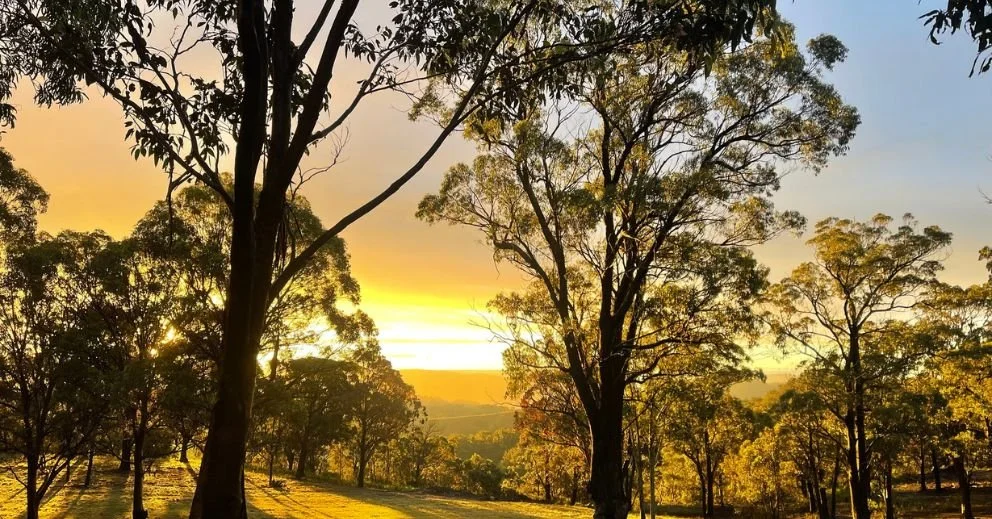
The healing benefits of nature
Spending time in natural environments can have significant benefits for mental health. Research has shown that being outdoors can reduce stress, improve mood, and promote relaxation.
Nature-based activities used in rehabilitation programs may include:
guided nature walks
outdoor mindfulness exercises
light physical activities in natural surroundings
quiet reflection in peaceful outdoor settings
These experiences can help individuals slow down, reconnect with the present moment, and gain a renewed sense of perspective.
Mindfulness and emotional awareness
Mindfulness practices encourage individuals to focus on the present moment with awareness and acceptance. These techniques are widely used in rehabilitation programs to help individuals manage stress and emotional triggers.
Mindfulness activities may include:
breathing exercises
guided meditation
body awareness practices
mindful movement or yoga
By developing mindfulness skills, individuals can learn to recognise emotional responses without immediately reacting to them. This awareness can help reduce impulsive behaviour and support healthier decision-making.
Building resilience and healthy coping strategies
Recovery often requires developing new ways of managing stress and difficult emotions. Holistic activities can help individuals build resilience by encouraging self-awareness and emotional regulation.
These activities support recovery by helping individuals:
develop healthier ways to process emotions
reduce stress and anxiety
build confidence and self-reflection skills
establish positive routines
Over time, these skills can become valuable tools for maintaining long-term recovery.
Creating a balanced recovery environment
A supportive environment plays a vital role in helping individuals engage fully in the recovery process. Combining clinical treatment with holistic activities can create a well-rounded approach that addresses both mental and emotional wellbeing.
Southern Highlands Rehab provides a setting designed to support healing and personal growth. Nestled in the beautiful Southern Highlands and surrounded by national parks, the facility offers proven and effective treatment for substance and behavioural addictions along with co-occurring issues such as anxiety, depression, and trauma.
Discover how Southern Highlands Rehab supports lasting recovery by getting in touch today.
Key Takeaways
Holistic activities support emotional healing alongside traditional therapy.
Creative expression can help individuals process complex emotions.
Spending time in nature may reduce stress and improve mental wellbeing.
Mindfulness practices help develop emotional awareness and resilience.
Holistic therapies contribute to balanced and sustainable recovery.
FAQ
What are holistic activities in addiction recovery?
Holistic activities focus on supporting emotional and physical wellbeing through practices such as creative expression, mindfulness, and outdoor experiences.
Why are creative therapies used in rehabilitation?
Creative activities allow individuals to express emotions and reflect on experiences in ways that may feel safer or more natural than traditional conversation.
How does mindfulness help during recovery?
Mindfulness techniques help individuals become more aware of their thoughts and emotions, which can support healthier responses to stress and triggers.
Why is spending time in nature beneficial for mental health?
Natural environments can promote relaxation, reduce stress, and improve mood, which can support emotional healing.
Are holistic therapies used alongside clinical treatment?
Yes. Holistic activities are often combined with evidence-based therapies to provide a more comprehensive approach to recovery.