Addiction Retreats in Southern Highlands: Why Nature-Based Recovery Works
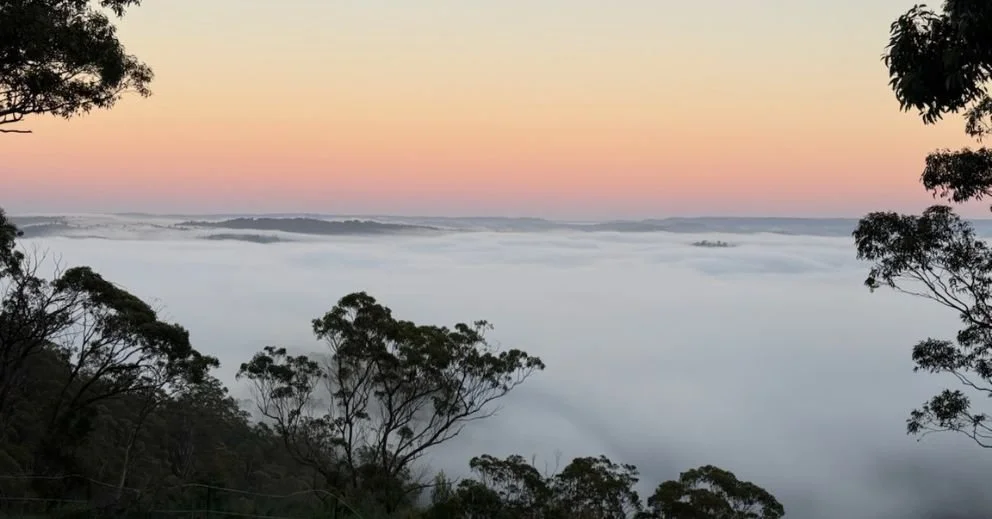
Recovering from addiction isn’t just about stopping a behaviour. It’s about rebuilding your mental, emotional, and physical wellbeing in a way that actually lasts. For many people, that kind of deep recovery doesn’t happen easily in busy, high-stress environments. That’s where nature-based addiction retreats in the Southern Highlands offer something genuinely different.
Surrounded by open space, fresh air, and a slower pace of life, these retreats create the conditions people need to step away from daily triggers and focus fully on healing. It’s not just about getting away. It’s about giving yourself the right environment to reset and rebuild.
Summary: Addiction retreats in the Southern Highlands combine evidence-based treatment with the calming influence of nature to support long-term recovery. Being surrounded by natural landscapes helps reduce stress, improve mental clarity, and create space for deeper emotional work. These retreats often include structured therapy, holistic support, and personalised care, making them a powerful option for people seeking a more immersive and sustainable approach to recovery. Facilities like Southern Highlands Rehab provide a private, supportive setting where individuals can address addiction alongside underlying issues such as anxiety, depression, and trauma.
What is a nature-based addiction retreat?
A nature-based addiction retreat is a residential recovery program set in a peaceful, natural environment rather than a clinical or urban setting.
Instead of bright lights, traffic, and constant distractions, you’ll find:
open landscapes and fresh air
quiet surroundings
a slower, more grounded daily routine
space to reflect without outside pressure
These retreats still offer structured, professional treatment. The difference is the setting, and that setting plays a much bigger role in recovery than most people expect.
Why the Southern Highlands is ideal for recovery
The Southern Highlands is known for its natural beauty, rolling hills, and national parks. But beyond the scenery, it offers something that’s hard to find in everyday life: distance from stress and noise.
For someone in recovery, that distance matters.
Being removed from familiar triggers such as work pressure, social environments, or daily routines can help break patterns that reinforce addiction. It creates a clean slate where real change can begin.
The region also offers:
a mild climate that supports outdoor activity
quiet, low-density surroundings
a sense of privacy and discretion
easy access from major cities without feeling “close” to them
It’s close enough to feel accessible, but far enough to feel like a genuine reset.
How nature supports addiction recovery
Nature isn’t just a backdrop. It actively supports the recovery process in several important ways.
Reduces stress and anxiety
Spending time in natural environments has been shown to lower cortisol levels, which are linked to stress. For people dealing with addiction, stress is often a major trigger.
A calmer environment helps the nervous system settle, making it easier to engage in therapy and reflection.
Improves mental clarity
When you step away from constant noise and distractions, your mind has space to think more clearly.
That clarity can help you:
understand patterns and behaviours
process emotions more effectively
make more grounded decisions about your future
Supports emotional healing
Recovery often involves working through difficult emotions, including trauma, guilt, or grief.
Nature provides a setting that feels less confronting than a clinical room. Walking outdoors, sitting quietly, or simply being in open space can make emotional work feel more manageable.
Encourages physical movement
Many nature-based retreats incorporate gentle physical activity such as walking, stretching, or outdoor fitness.
Movement supports recovery by:
improving mood
reducing anxiety
helping regulate sleep
rebuilding physical health
Creates a sense of perspective
When you’re surrounded by nature, it’s easier to step back from immediate problems and see the bigger picture.
That shift in perspective can be powerful during recovery, helping people reconnect with purpose and direction.
What to expect at an addiction retreat
A high-quality addiction retreat in the Southern Highlands combines natural surroundings with structured, evidence-based care.
Programs typically include:
individual counselling and therapy
support for co-occurring conditions like anxiety or depression
relapse prevention strategies
holistic therapies such as mindfulness or meditation
daily routines that promote stability and balance
The goal isn’t just short-term detox or abstinence. It’s long-term recovery with the tools to maintain it.
Treating more than just addiction
Many people struggling with addiction are also dealing with underlying issues such as:
anxiety
depression
trauma
stress-related conditions
Treating addiction without addressing these factors often leads to relapse.
That’s why comprehensive retreats focus on the whole person, not just the behaviour. By working through the root causes, individuals are better equipped to maintain lasting change.
The importance of a supportive environment
Recovery can feel isolating, especially in the early stages. A retreat setting helps counter that by creating a supportive, structured environment where people feel understood and guided.
This includes:
experienced clinicians and support staff
a community of people on a similar journey
clear routines and expectations
a safe, private space to focus on recovery
That combination of professional care and peer support can make a significant difference in outcomes.
Why a retreat can be more effective than outpatient care
Outpatient programs can work well for some people, but they often require individuals to stay in the same environment where their addiction developed.
That can make change much harder.
A residential retreat removes those external pressures and distractions, allowing for:
full focus on recovery
faster progress in early stages
deeper therapeutic work
reduced exposure to triggers
For many, this immersive approach provides a stronger foundation for long-term success.
Choosing the right addiction retreat in the Southern Highlands
Not all facilities are the same. When considering a retreat, it’s worth looking beyond location and focusing on the quality of care.
Key things to look for include:
qualified and experienced clinical staff
personalised treatment plans
support for co-occurring mental health conditions
a balance of clinical and holistic therapies
a private, comfortable setting
Southern Highlands Rehab offers all of this within a calm, nature-based environment designed specifically for recovery. With a focus on evidence-based treatment and compassionate care, the program supports individuals dealing with substance and behavioural addictions, as well as underlying challenges like anxiety, depression, and trauma.
Learn more or reach out for support.
Key Takeaways
Nature-based addiction retreats provide a शांत, supportive setting for recovery
The Southern Highlands offers privacy, calm, and distance from everyday triggers
Natural environments help reduce stress, improve clarity, and support emotional healing
Structured therapy combined with holistic care leads to more sustainable outcomes
Treating underlying mental health issues is essential for long-term recovery
Residential retreats allow for deeper focus compared to outpatient programs
FAQ
Are addiction retreats in the Southern Highlands private?
Yes, most retreats prioritise privacy and discretion. This allows individuals to focus on recovery without outside pressure or exposure.
How long do addiction retreats usually last?
Programs can vary, but many residential retreats run from a few weeks to several months depending on individual needs and treatment plans.
Do these retreats treat mental health conditions as well?
Yes. Many high-quality programs address co-occurring conditions such as anxiety, depression, and trauma alongside addiction.
Is a nature-based retreat more effective than a city-based program?
For many people, yes. The reduced stress, fewer distractions, and immersive environment can support deeper and more focused recovery.
Can I work or use my phone during a retreat?
Policies vary by facility, but most retreats limit outside distractions so individuals can fully engage in the recovery process.
What types of addiction are treated?
Retreats typically treat a wide range of substance and behavioural addictions, including alcohol, drugs, gambling, and more.